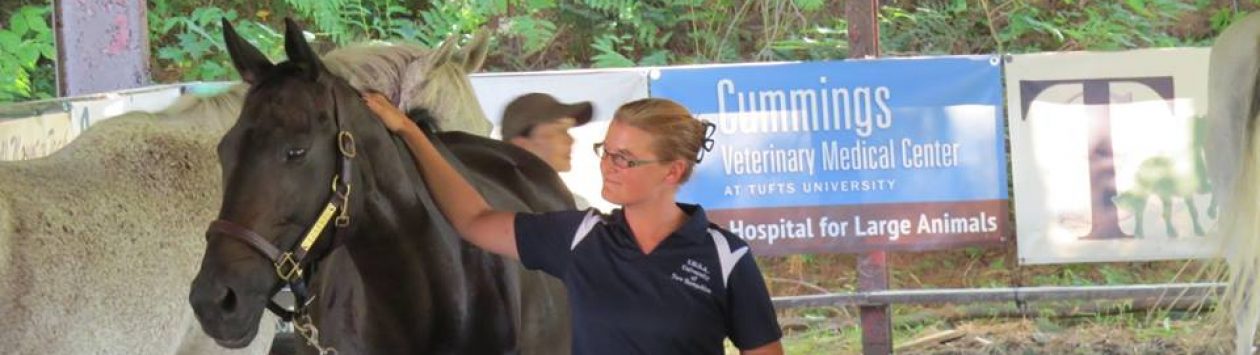

On November 4, 2024, under a shower of tears and with so much love and gratitude, Lee, our most wonderful of warhorse mares, was laid to rest here at Cold Moon Farm after a period of declining well-being. She was 25.
It has taken me nearly three weeks to even begin to think about how to share her story, which is really our story, as for almost 20 years, Lee was perhaps the most constant being in my life. She was a creature of dichotomies: quirky and brave; sensitive and tough; light and soft physically and yet somewhat mentally inflexible. When I met her as a green-backed 6 year old, I never imagined our partnership would evolve as it did, or endure for so long.

Genetically speaking, Lee was meant to be an athlete. Her Thoroughbred sire, Denny Emerson’s Loyal Pal, was a warhorse himself– a multiple stakes winner who placed top three in 70 of his 124 races. Her dam, a Holsteiner/Thoroughbred cross named Lakshmi (Petunia), was a successful sport horse in several disciplines, including eventing and the hunter and jumper arenas. Although Lee looked like a full Thoroughbred, I always joked that tiny dollop of Holsteiner blood was just enough to cool her off.

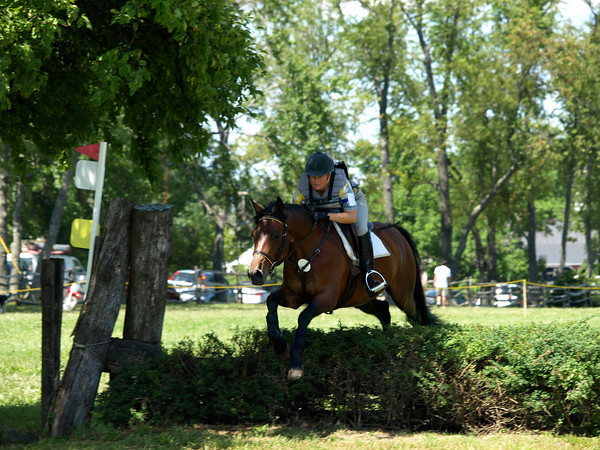
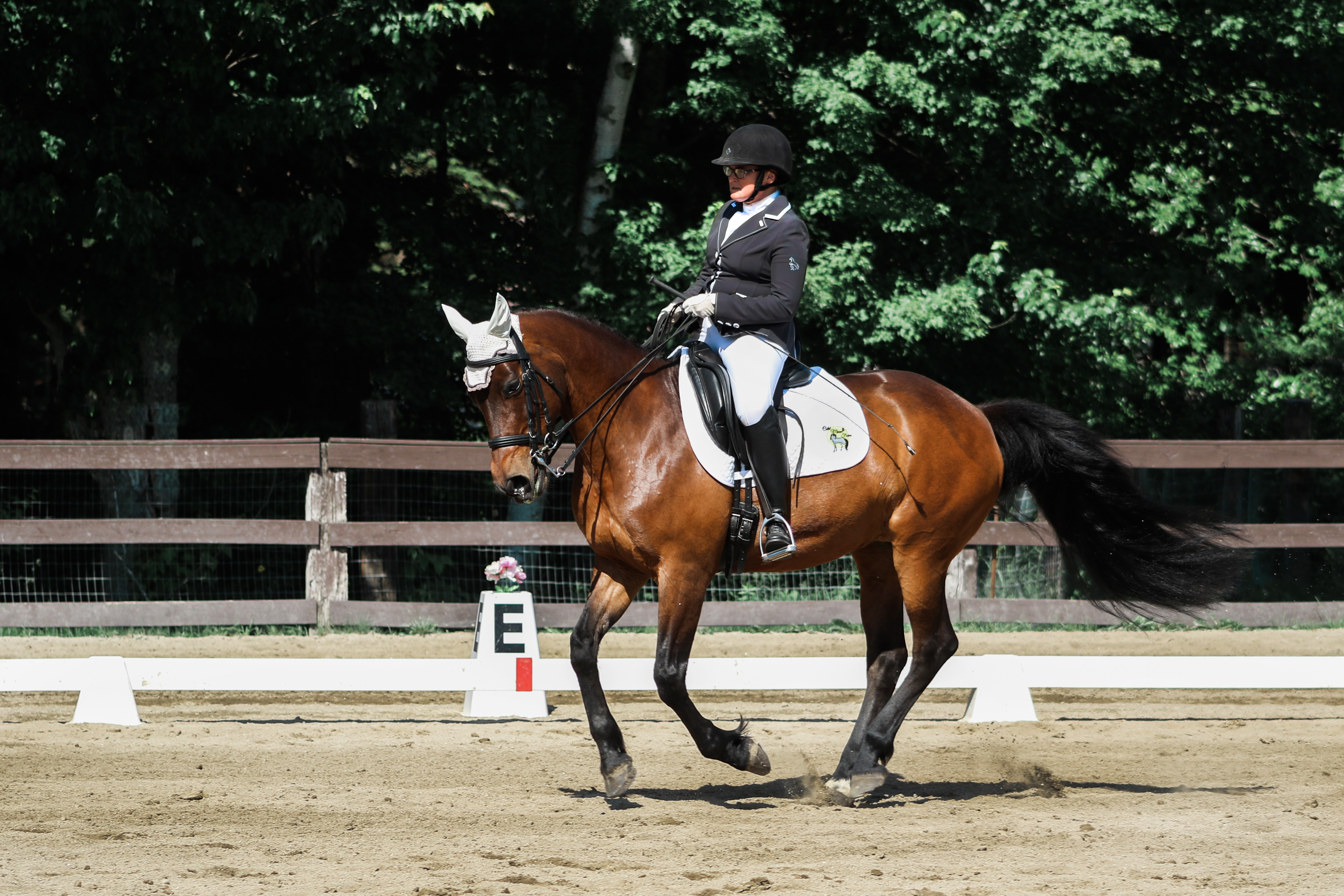
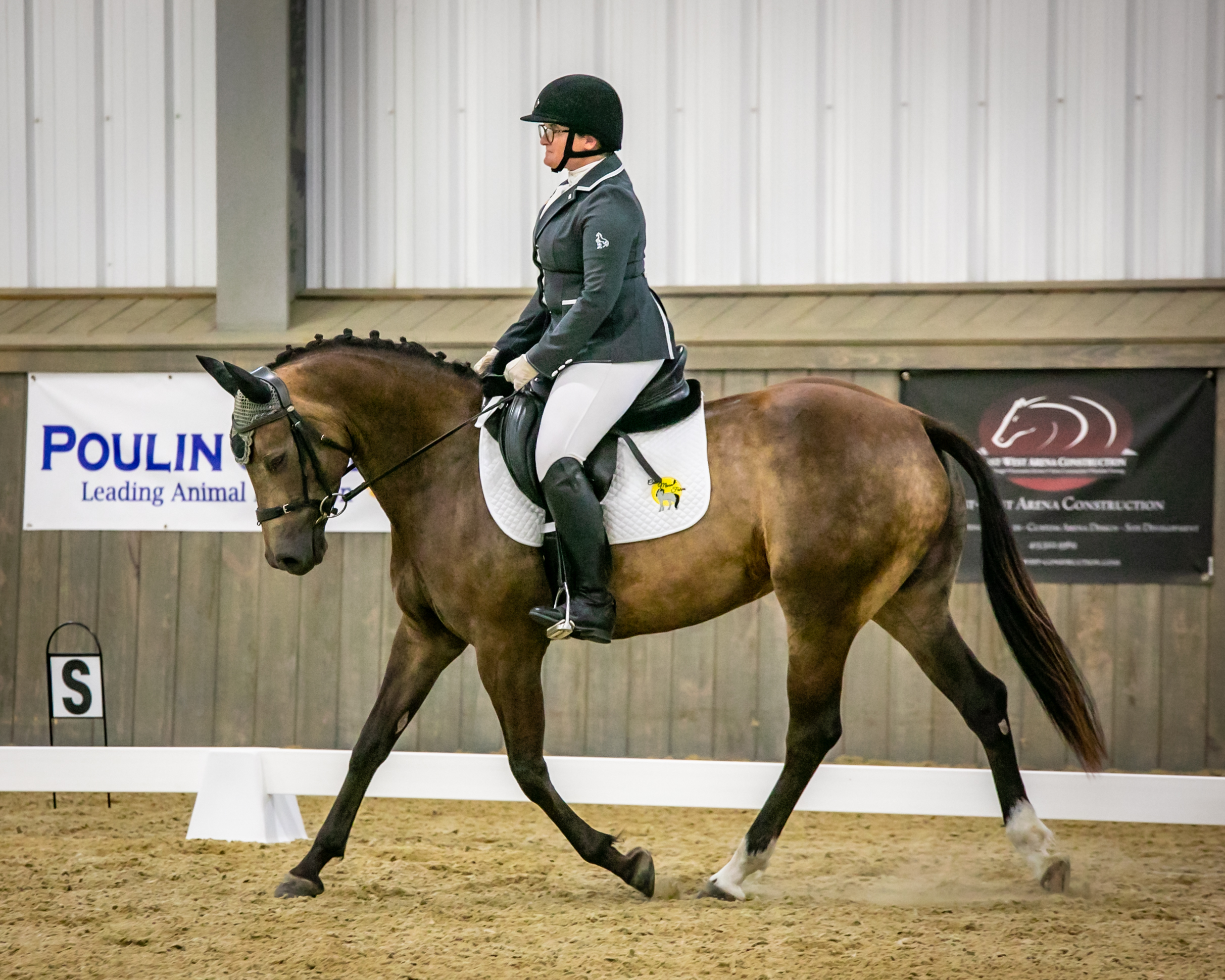
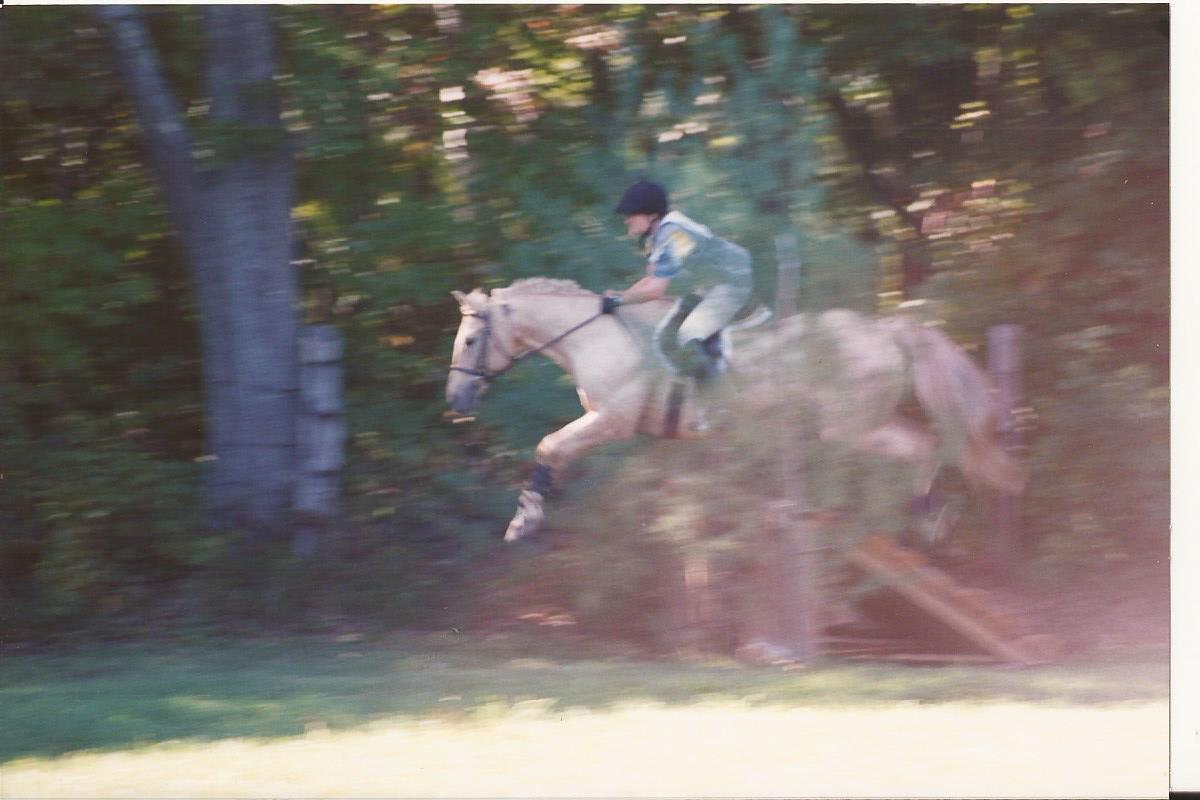
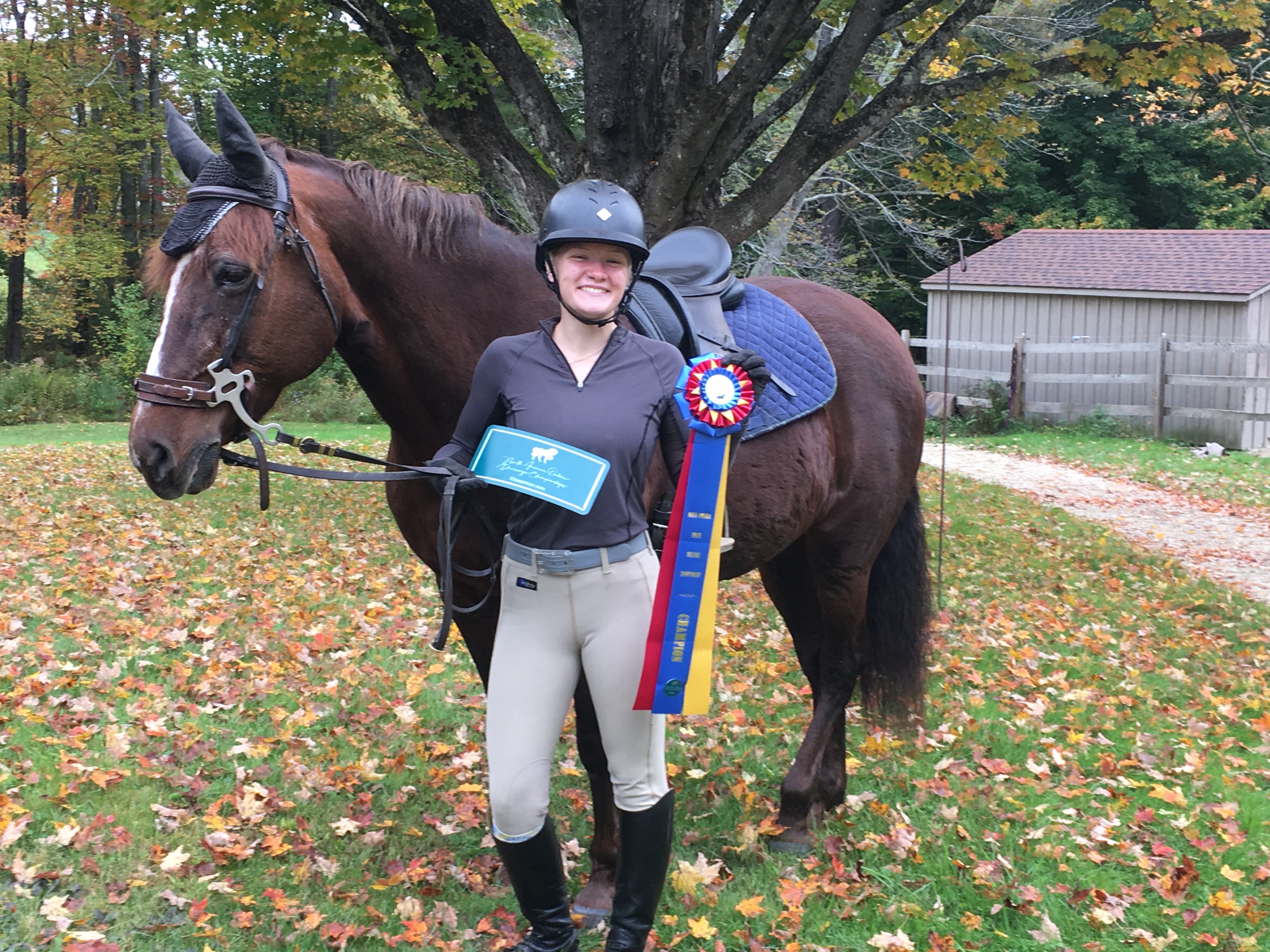
For many years, Lee and I concentrated on the jumpers, before switching to dressage. However, Lee had an inherent caution to her that was as integral to her being as her very DNA, and in competition, she often struggled to give her best performance. At times, I (unfairly) called her a “heartbreaker,” because it felt like she would let me down when it counted the most. There were moments in our early years together that she frustrated me to no end, and made me doubt my abilities as a trainer and horseman; I wondered sometimes if another rider, someone “more capable,” could better help her to fulfill her athletic potential. Yet I worried what might happen to my sensitive, quirky mare if I sold her somewhere else—how would it be for her, if she failed to thrive in a “program”?

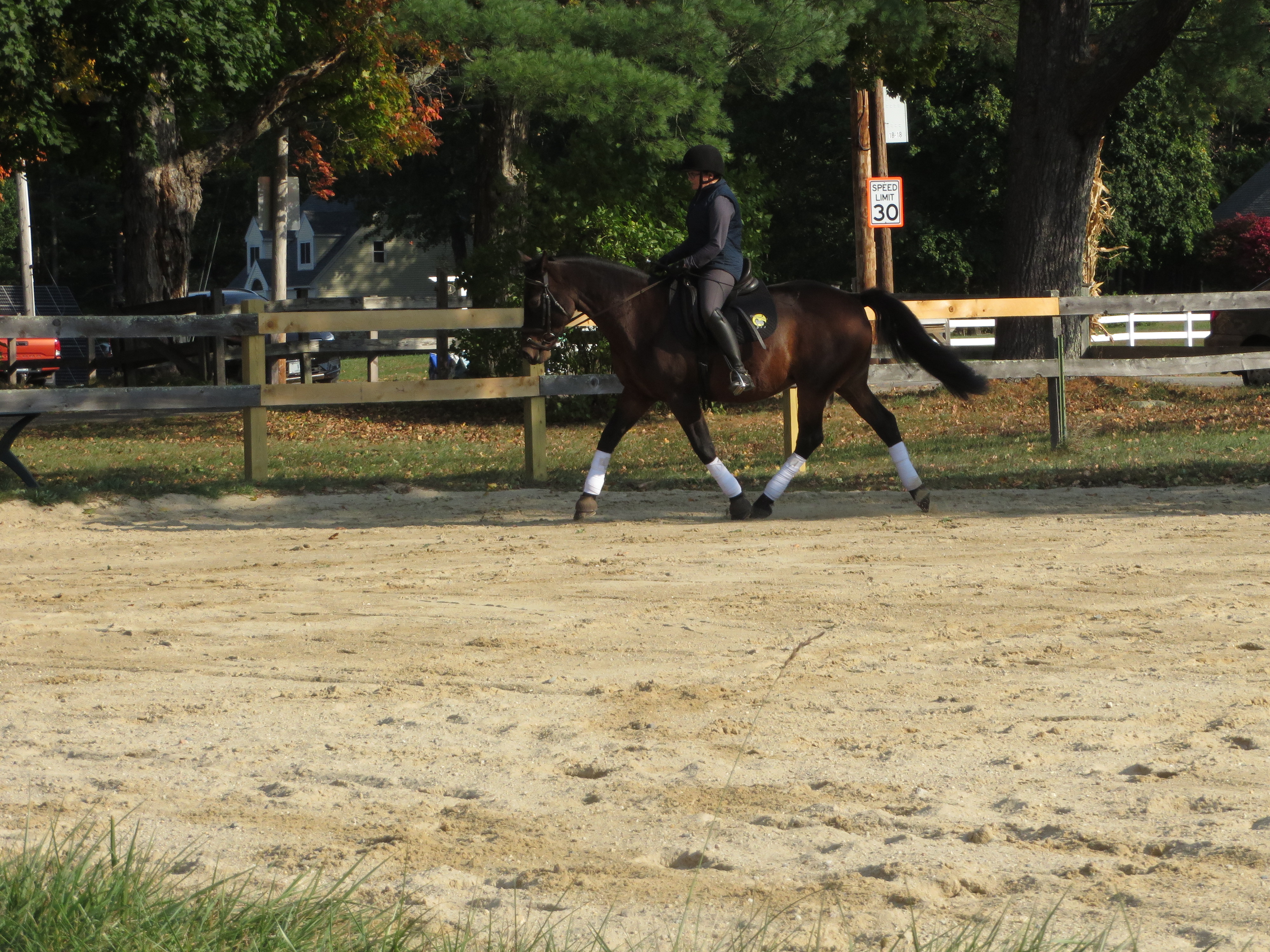
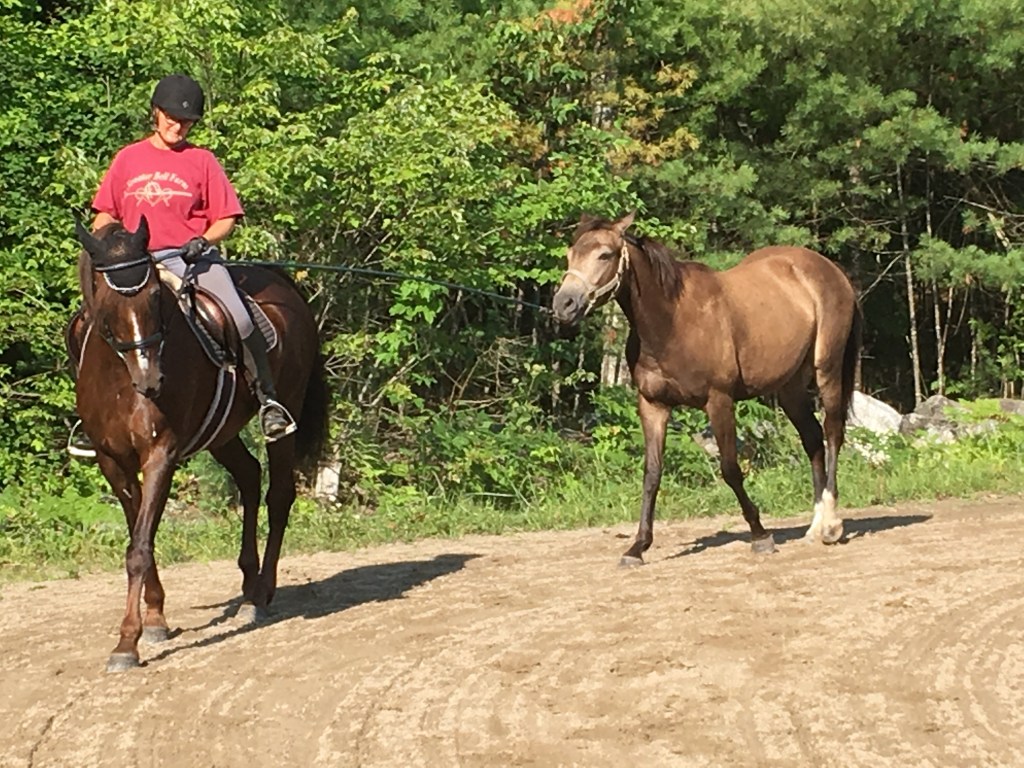
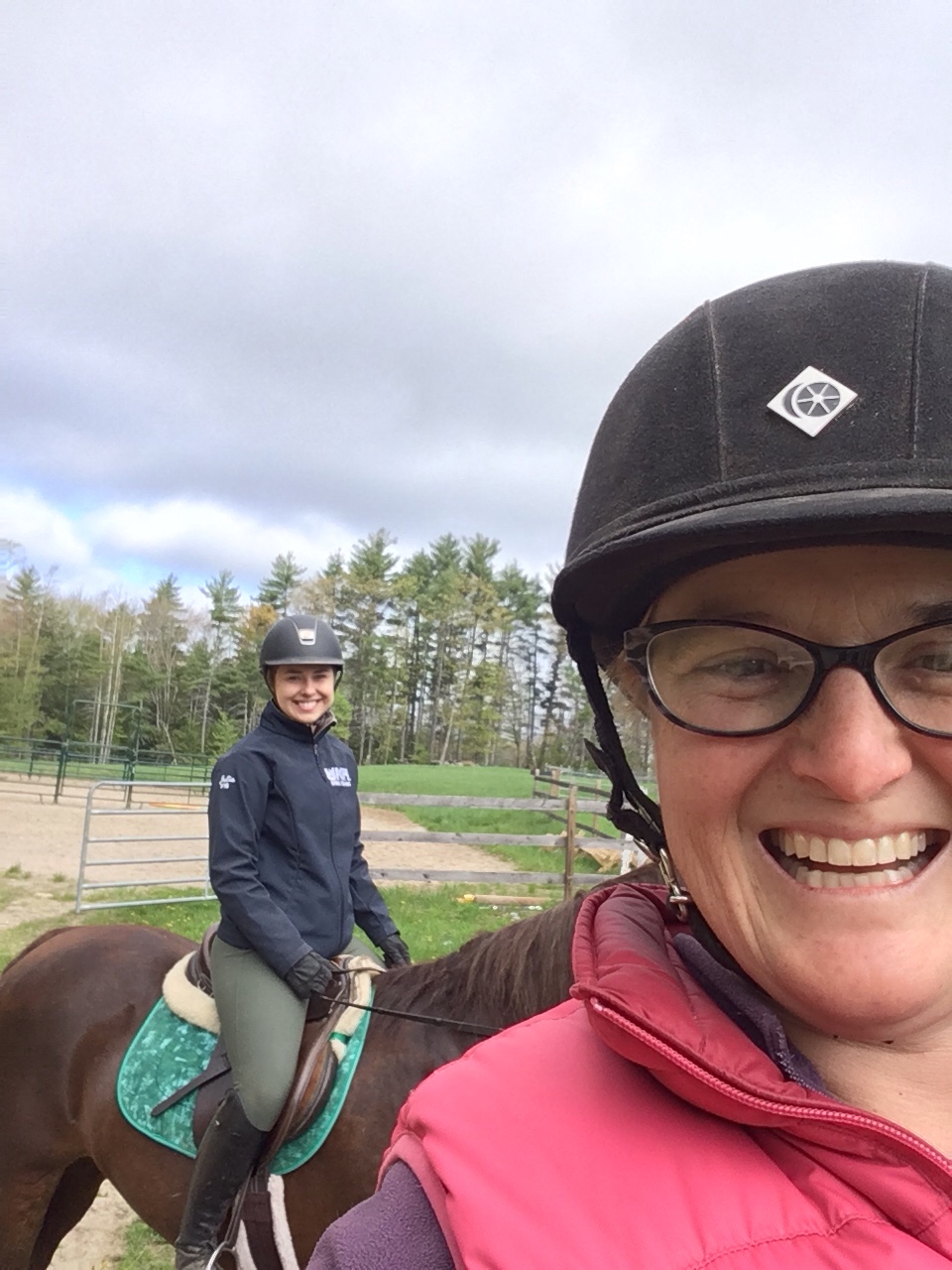
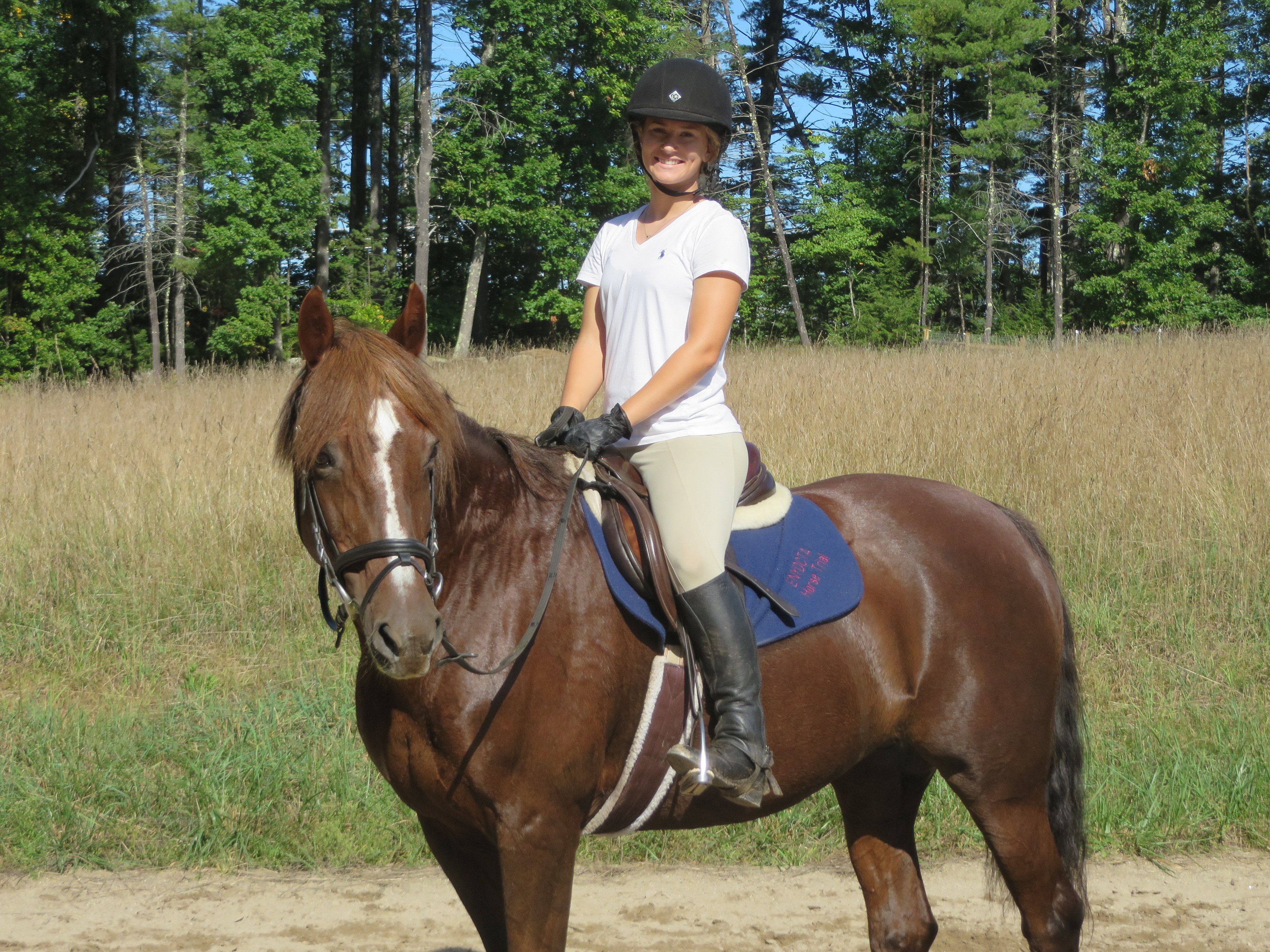
Despite struggling in competition, Lee shined at clinics, where there was typically less “hustle and bustle,” and she had more time to settle into her space. In these settings, she truly showcased her athleticism and scope, and we had the opportunity to ride with some of our sport’s best, including my childhood idol, Greg Best. During my years as an intercollegiate coach, Lee also became a team favorite when she filled in at flat practices. In intercollegiate shows, in her home ring and on the flat, she was an unflappable, elegant, reliable draw who was pretty happy to simply follow the rail and ignore any drama that might be unfolding elsewhere in the ring. One year at our home show, nearly every rider who drew Lee won their class, including the high point rider championship. A longeing master, she also helped several Pony Clubbers meet standards at the C3 and B levels in this phase of the test. It filled my heart to see Lee experience success in these ways.
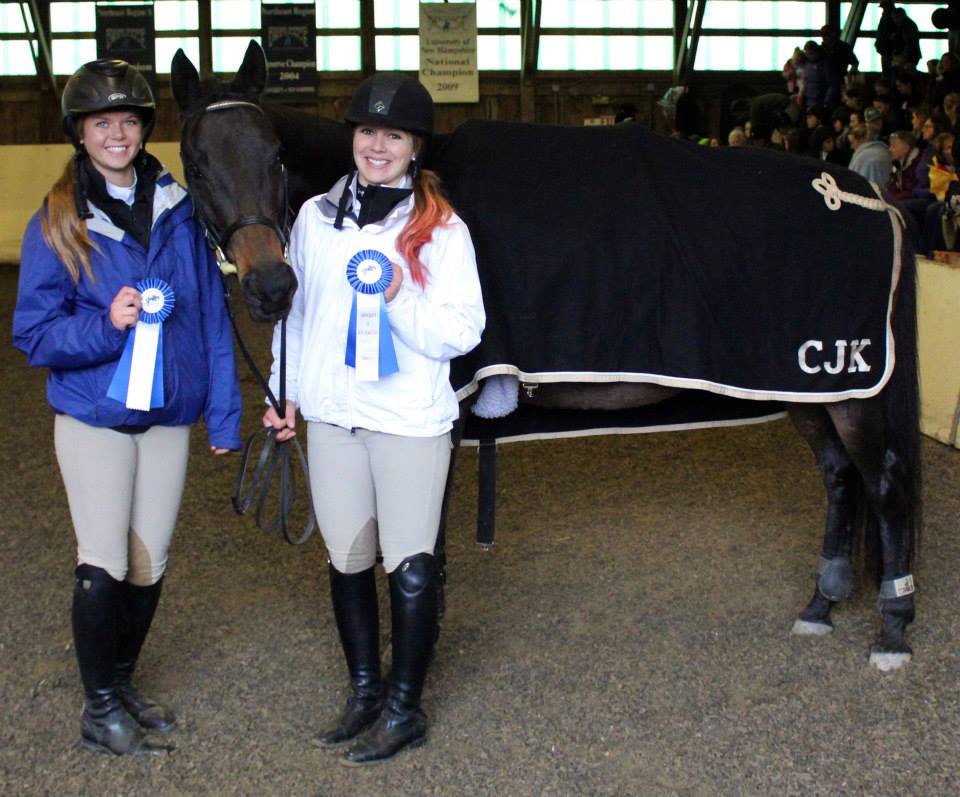
Through lessons and clinics and hours of practice, Lee became quite an educated horse, both on the flat and over fences. Our relationship became stronger, and though she always remained cautious and sensitive, I also came to know exactly what to expect from her and how to support her when she became worried. Yet despite all of this growth, I still often felt Lee was a horse who had not found her true purpose.
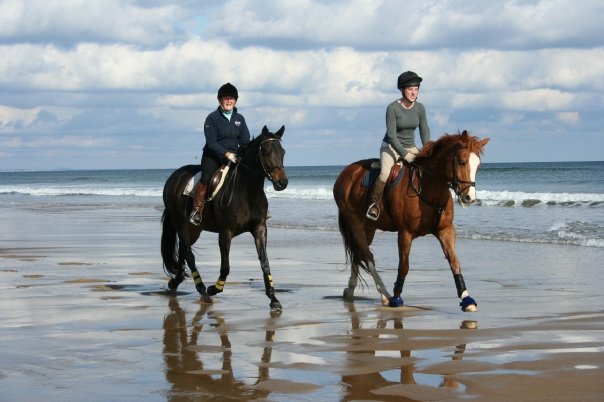
In 2013, a friend of mine was preparing her draft cross (emphasis on draft) for a run at the Waredaca Classic 3 Day event, and Lee and I joined them on several long, slow distance conditioning sets that summer. When my friend decided to sign up for the 10 mile introductory ride being held in conjunction with the GMHA Distance Days in September, I decided we would tag along.
To say that Lee was “unfazed” by the trail that day is, perhaps, an understatement. At the final jog out, she leapt into the air, bucking and farting (somewhat out of character for her), and the judge chuckled and said, “Perhaps next time, a longer distance might tire her out more?” And with that casual comment, the seed of an idea was planted. Maybe Lee, at 14 years old, could become a distance horse.
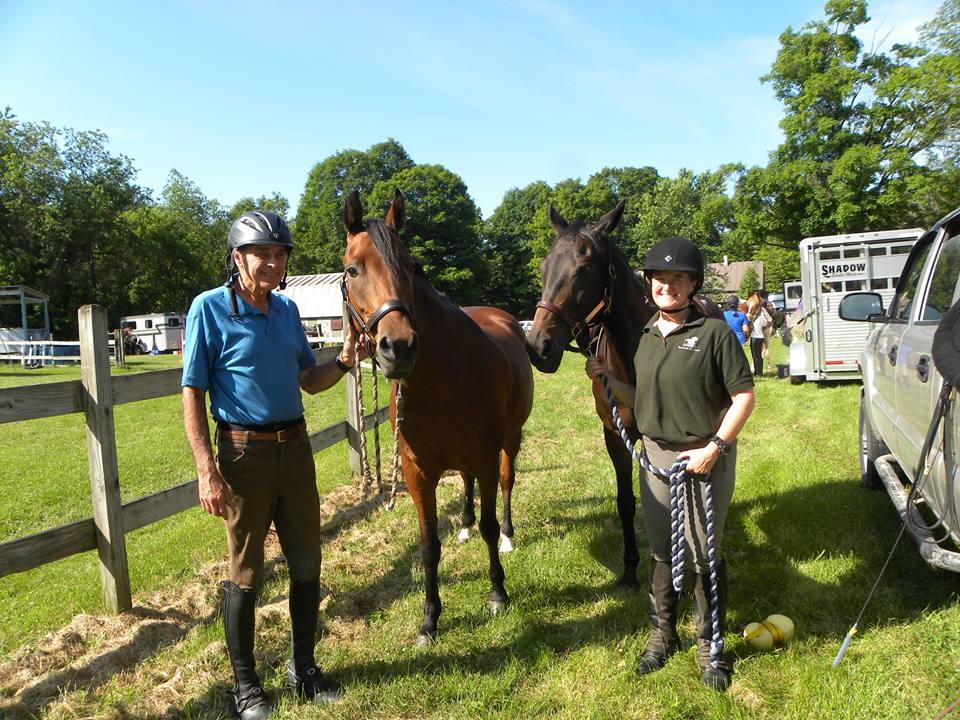
The next summer, Lee and I worked at Denny and May Emerson’s famed Tamarack Hill Farm in Strafford, Vermont. On the Vermont hills, Lee proved how tough she was– and so long as we didn’t have to get too close to the cows living nearby, she was happy and relaxed on trail, no matter how long or how far we rode. She completed her first 25 mile competitive distance rides that season, always feeling like she had more miles in the tank. So for 2015, I set a (somewhat ridiculous) goal of completing the 79th Annual GMHA 3 Day 100 Mile Ride with her at Distance Days in September.
To try to put this goal in perspective, at that point in time, Lee and I had completed perhaps five competitive distance rides, ever. I didn’t even know what I didn’t know in terms of conditioning, feeding, shoeing, electrolyte management and tack selection for a three day 100 mile ride. I didn’t know how distance riders on longer rides supported their horses on trail, during holds, and on the nights in between. Setting this goal was a bit like a First Level rider declaring she would enter the Grand Prix next season, or a beginner novice eventer announcing she would go advanced.

But what Lee and I lacked in practical experience in the sport, we made up for in relationship. We had already spent thousands of hours together; she was sound, fit, and athletic. I knew how to research and ask questions and find mentors. And as we began to implement our conditioning and ride plan, Lee stepped up to answer every single question I asked—first, a 15 mile ride in May, followed by her first 30 mile ride later in the month (the only competitive ride she would win). In June, her first back to back rides, 25 miles on day one, and 10 on day two. In August, a two day 50 mile ride. With each outing, she became fitter and more confident, and when we returned home, she pranced around her paddock like a cocky athlete who had just scored the game-winning point. As distance horse, she was thriving. When I sent in the entry for the 100 mile ride, despite being rookies, I knew we were up to the challenge.

Nearly a decade has passed since we entered GMHA’s White Ring at the end of day three, 100 miles in our rearview mirror, tears in my eyes. I think for Lee, it was just another day on trail. But for me, it was a validation—that my belief in this horse, a horse so many had suggested I pass along, was justified. Together, we had evolved, and Lee had finally found her purpose.

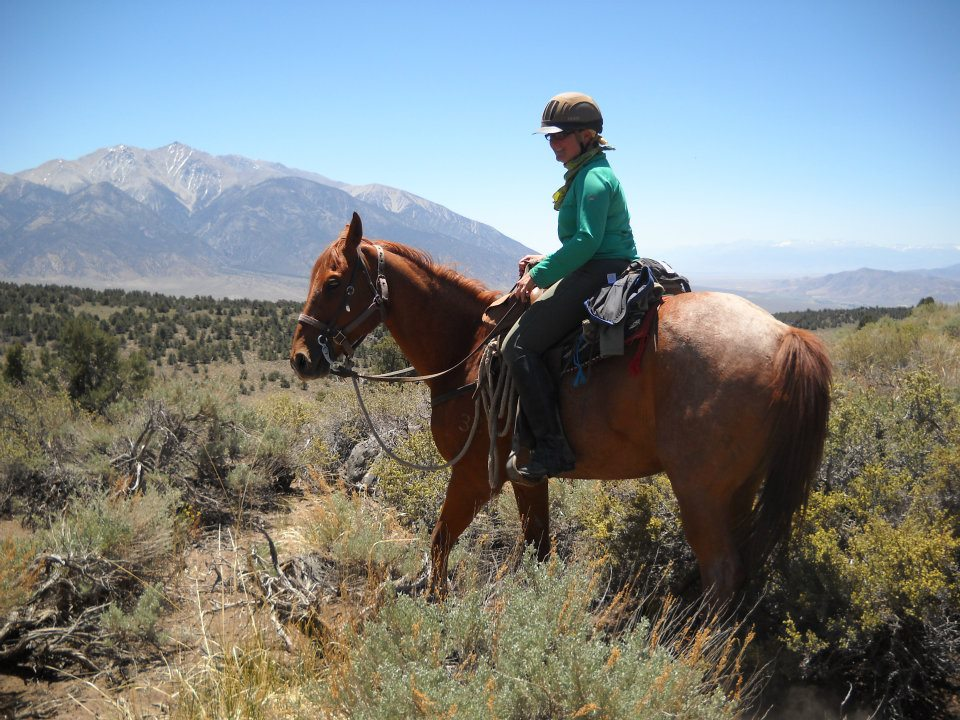
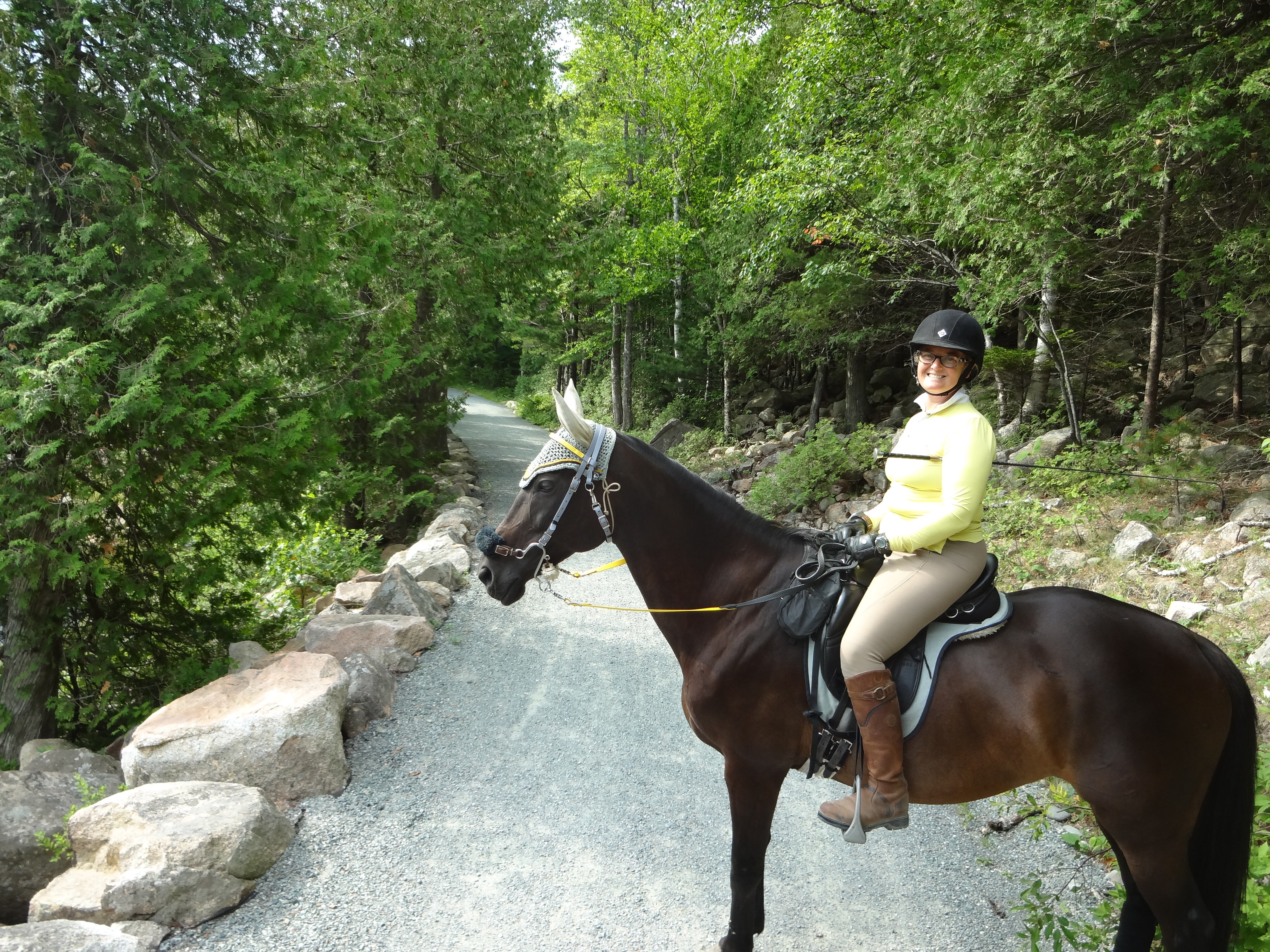
In 2016, she finished the GMHA 100 Mile ride again; she earned the Perkion Award for Best Thoroughbred/Thoroughbred type both years, Top Rookie Horse in 2015, and the Spinner Award for Best Non-Registered Trail Horse in 2016. Her name is on the perpetual trophy that lives in the GMHA Youth Center. For the next two seasons, we completed several rides at shorter distances before she formally retired from competitive distance riding at the age of 19. In 2018, we checked off an Equine Bucket List item together, visiting Acadia National Park in Maine and covering nearly 50 miles of trail over several days.

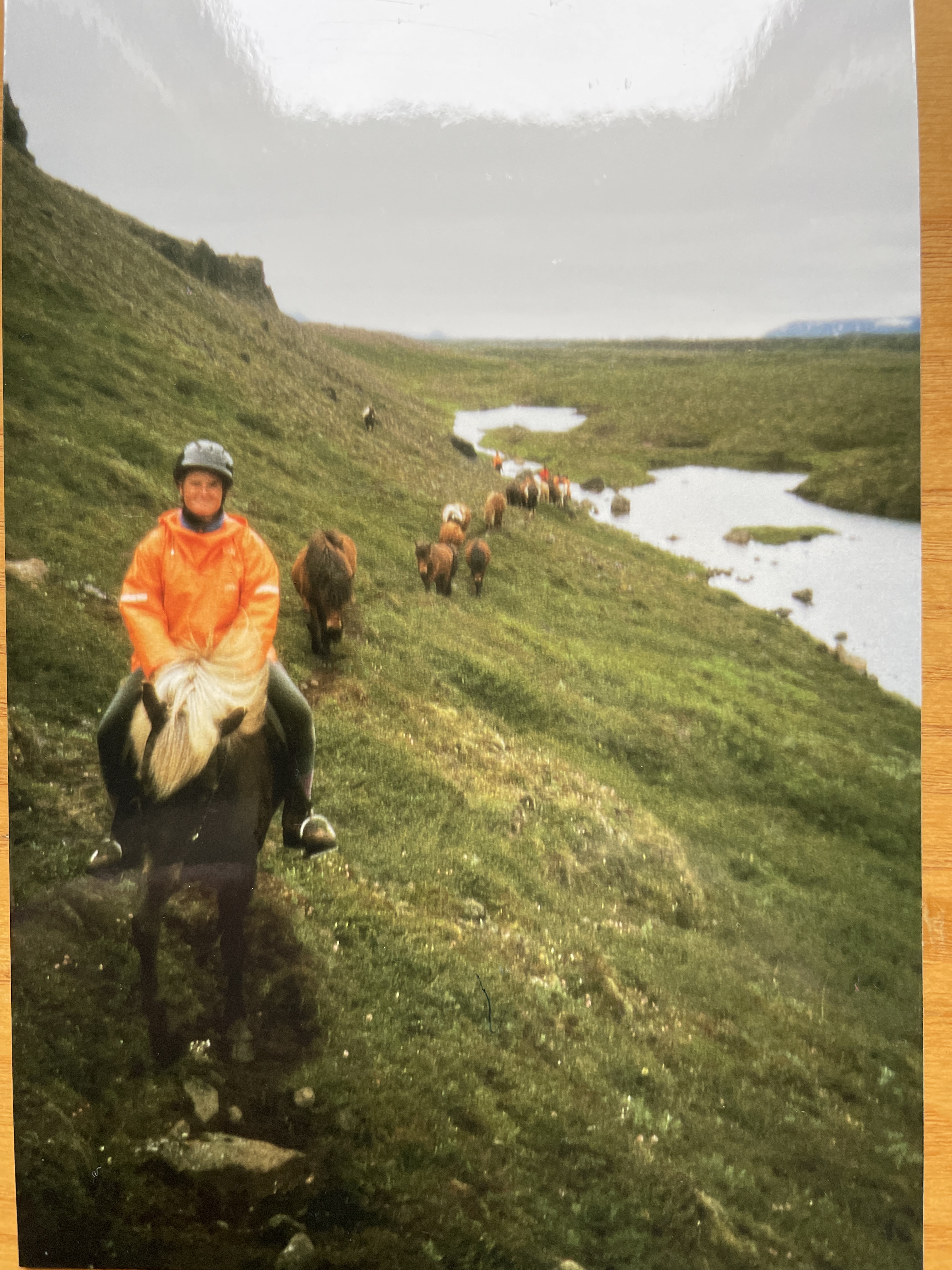
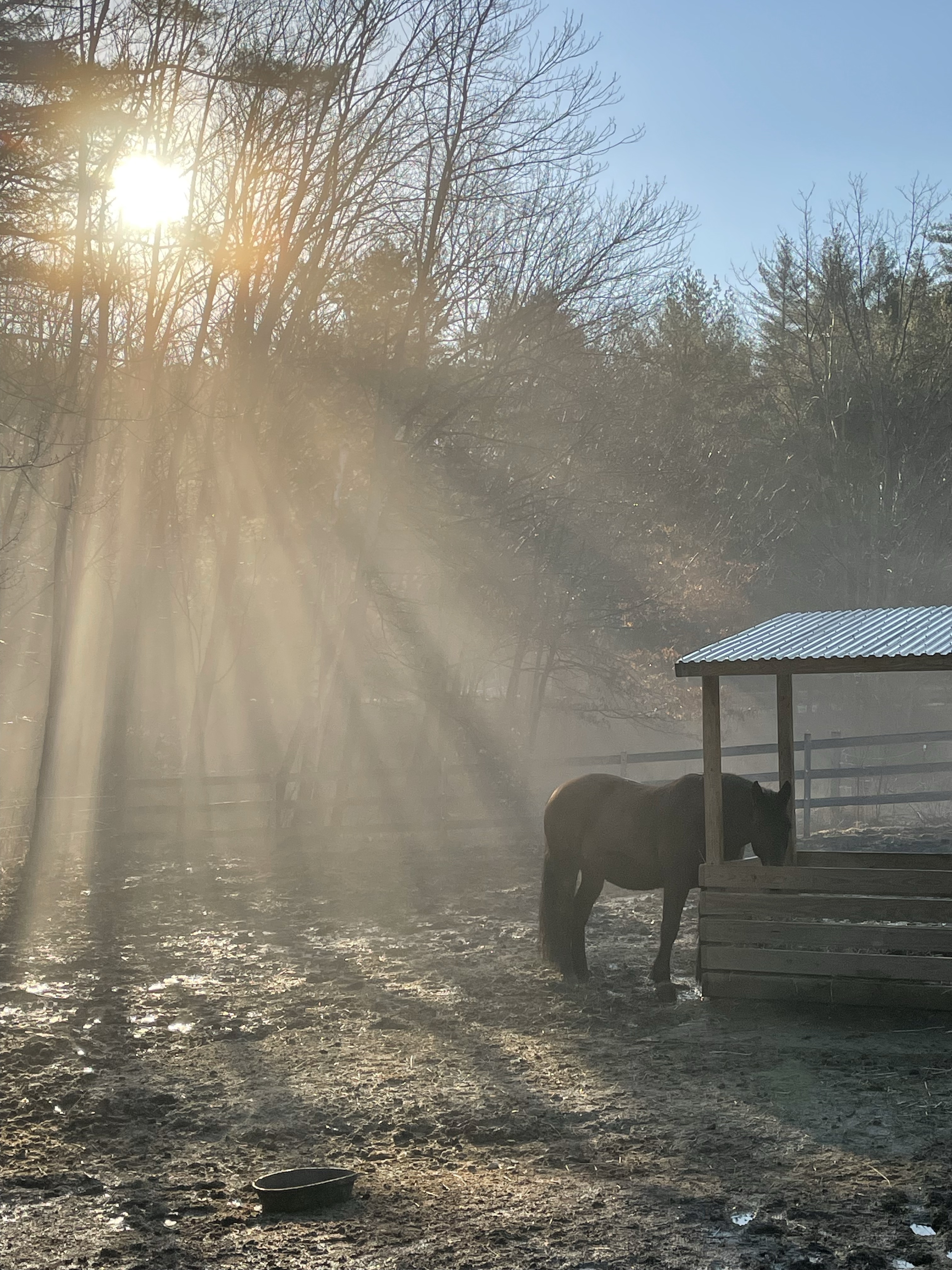
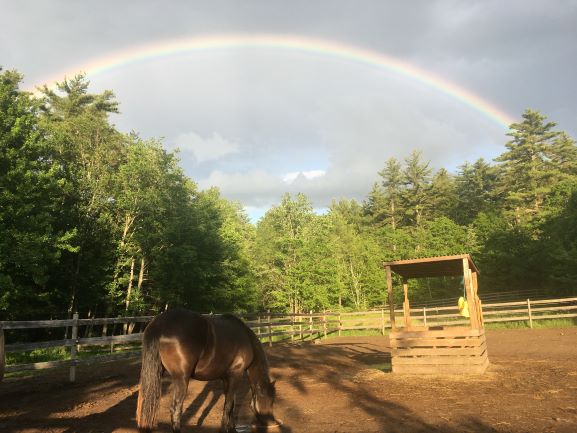
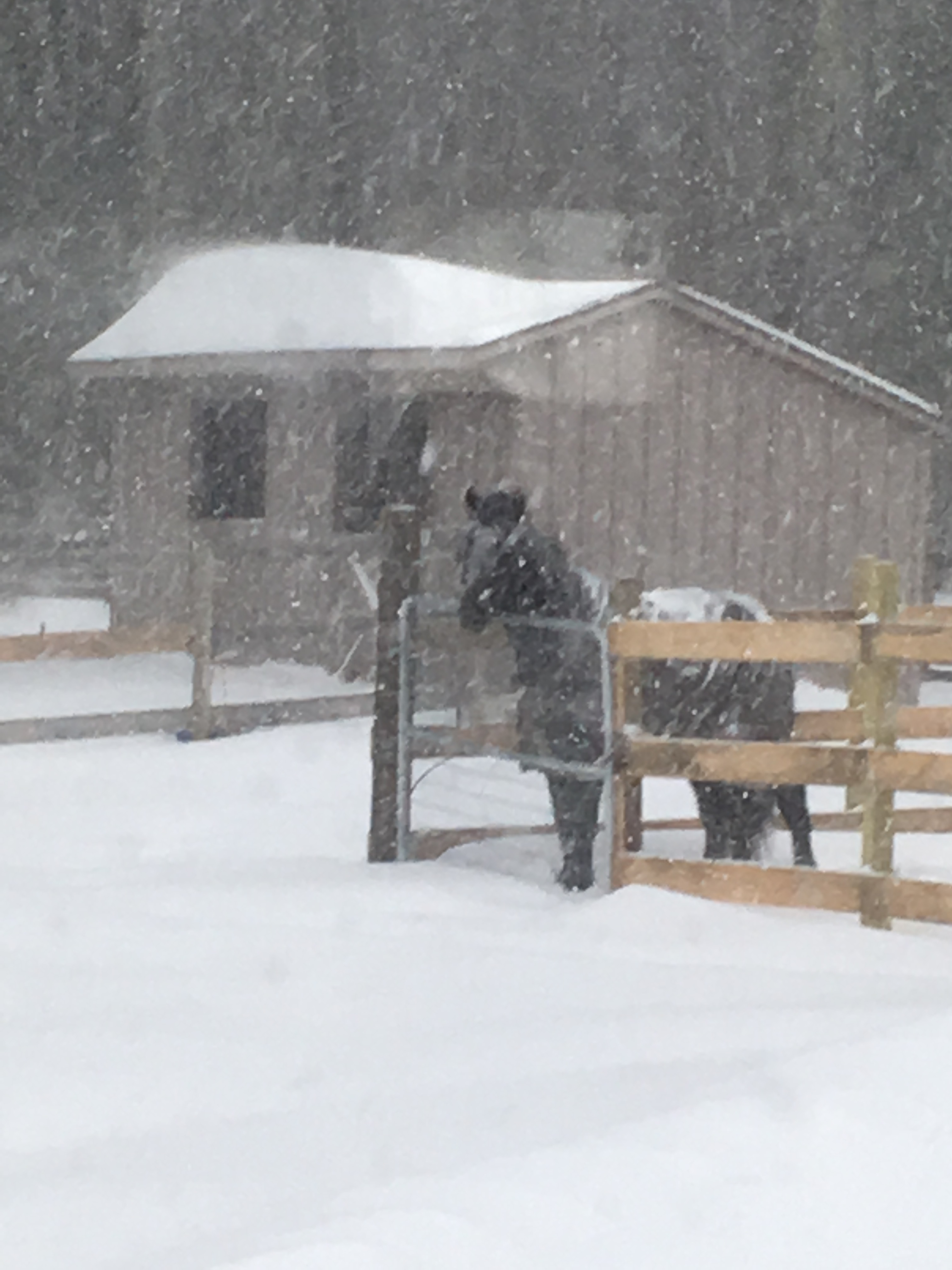
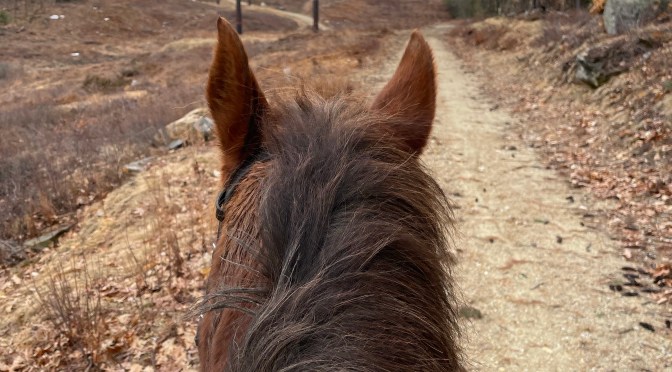
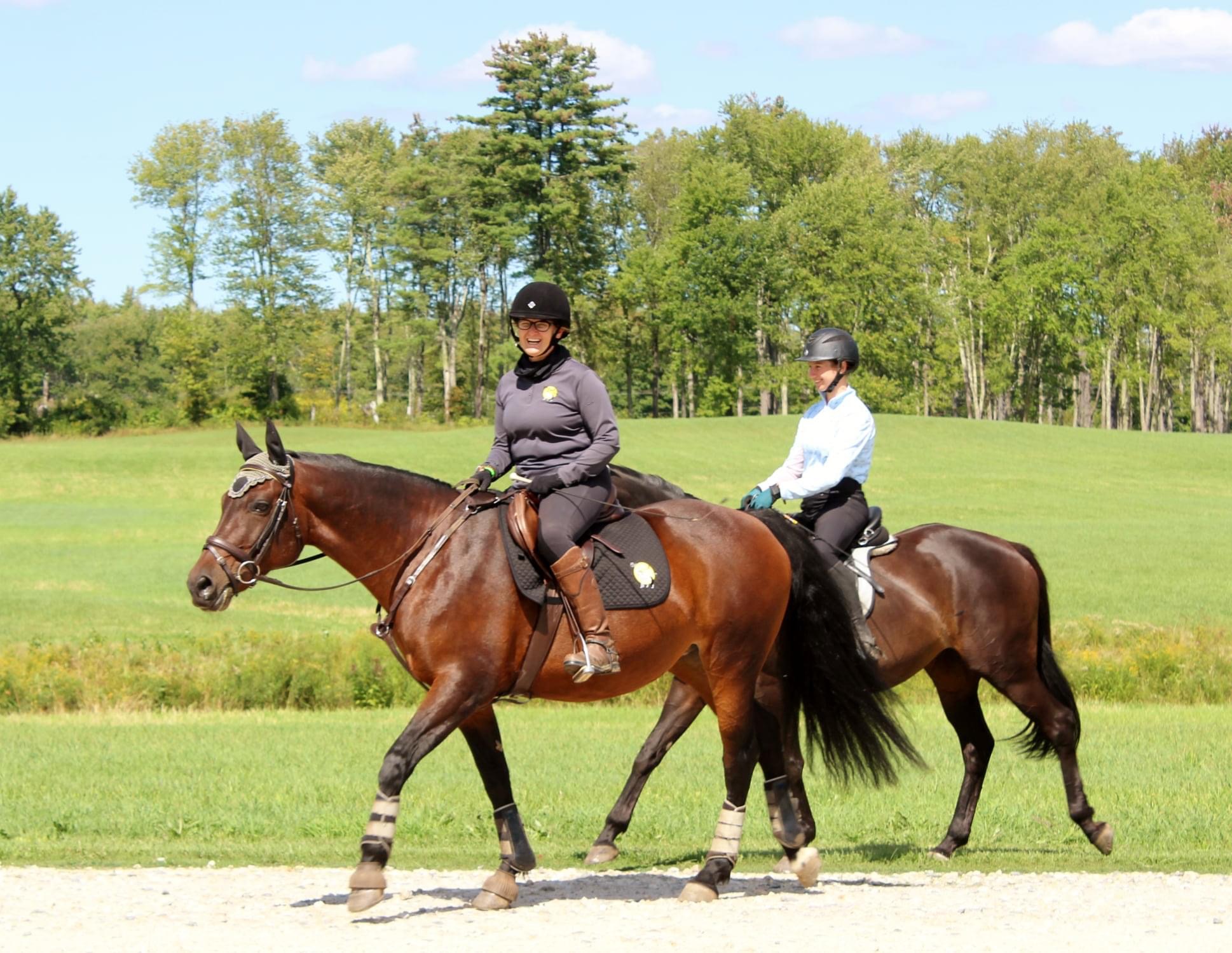
Nine years ago, Lee became the first equine resident at Cold Moon Farm, spending six of those years in semi-retirement. She was never going to be a horse who could just stand around idly; Lee was far too much of an athlete for that. For Lee, “retirement” looked like going on hunter paces and other organized rides, visiting state parks, and still spending many hours on trail, just at a slower rate than what is required for a competitive distance horse. But even at the walk, she often outpaced her equine friends, and we had to pause and wait for them to catch up.
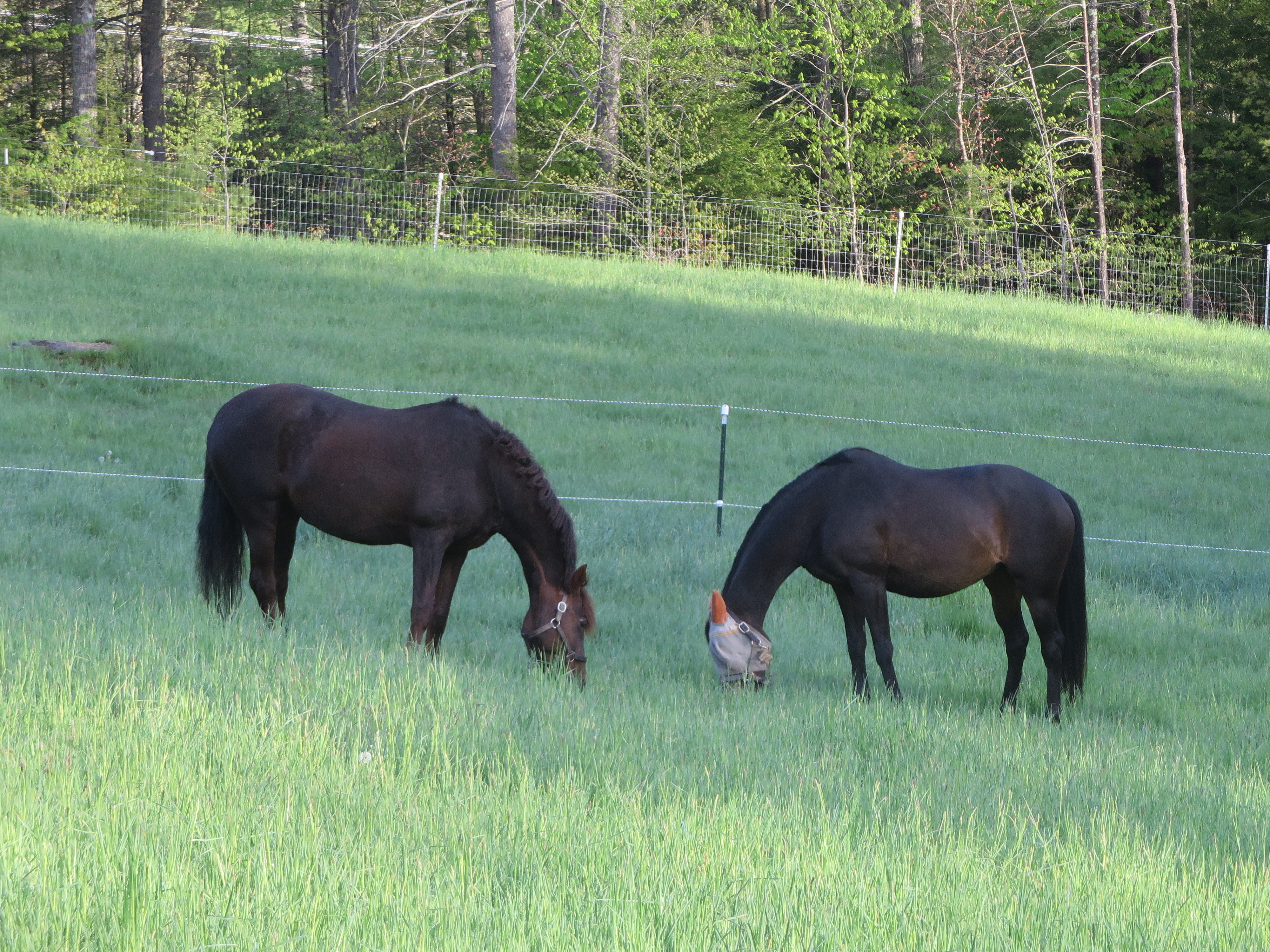
When I think back on the many memories and experiences Lee and I shared, I am both humbled and overwhelmed to recognize how much this horse taught me. More than anything, Lee reinforced that what is most important is to really understand the horse standing in front of you. Their breeding, their training, their previous experiences all count, but to truly honor the horse, you need to look past those details, and consider where that horse’s joy can shine the brightest.
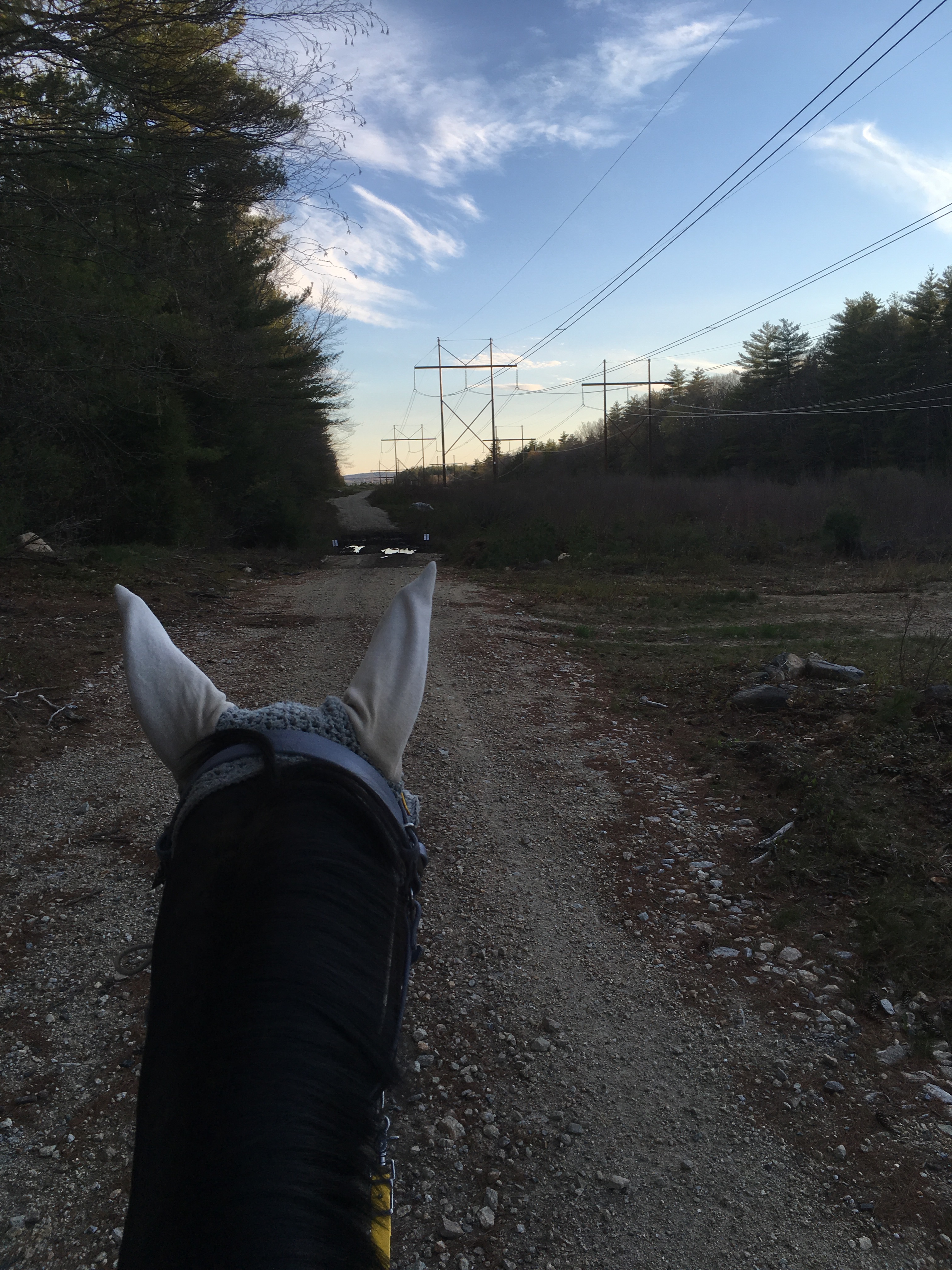
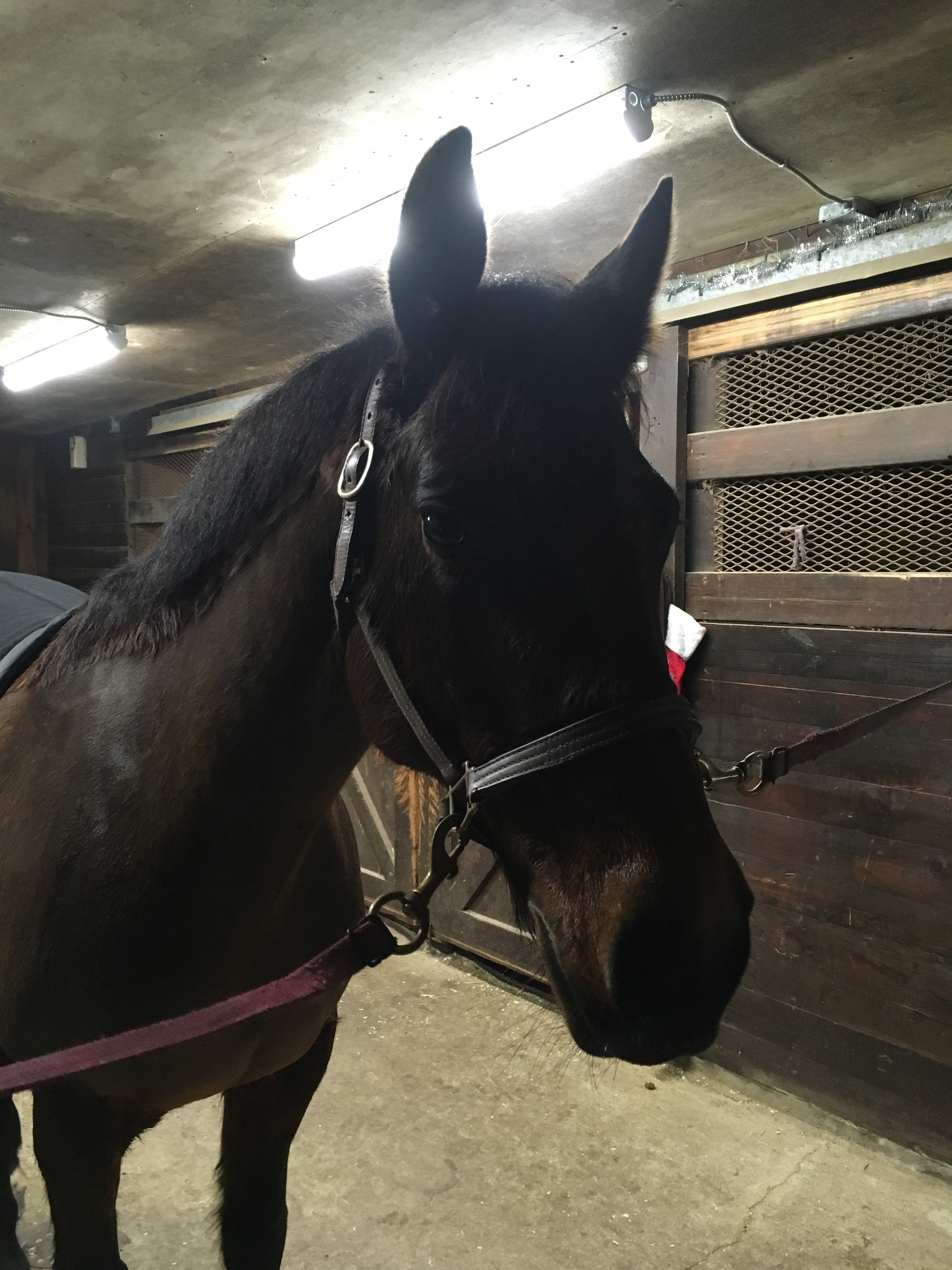
To my Dark Mare, the original “quirky girl,” I will love and miss you forever. I will never be the same for having cared for you and for having you be a part of my live, and for that, I am grateful. Thank you for everything.
Here are a few blogs featuring Lee and her adventures:
Reflections on Gratitude, Part II
A Journey of One Thousand Miles…or One Hundred






























 The Academic Equestrian